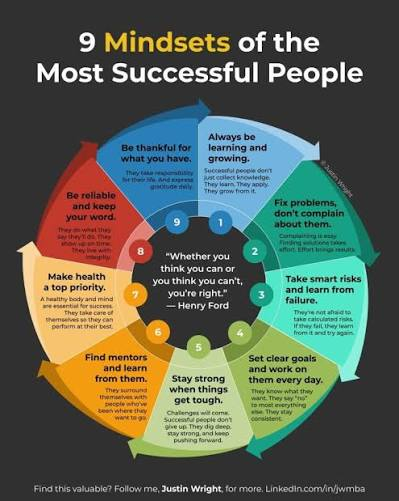
The business world is changing faster than ever. New technologies, evolving customer expectations, economic uncertainty, global competition, and shifting workplace cultures are forcing companies to rethink what great CEOs understand how they operate. In this environment, leadership is no longer simply about maintaining stability. It is about understanding change, responding intelligently, and preparing an organization for what comes next.
The most effective CEOs recognize that successful leadership requires flexibility, vision, and continuous learning. They do not wait for change to create problems before taking action. Instead, they build organizations that can adapt while staying focused on long-term goals. Understanding what great CEOs understand about leadership can provide valuable lessons for anyone looking to build a successful and lasting business.
They Embrace Change Instead of Resisting It
One of the most important qualities of an effective CEO is the ability to accept change as a normal part of business. Markets evolve, competitors introduce new products, technologies disrupt traditional industries, and customer preferences shift. Companies that refuse to adapt can quickly lose their relevance.
Great CEOs understand that change is not always a threat. It can create opportunities for innovation, expansion, and improvement. Rather than protecting outdated processes simply because they are familiar, strong leaders regularly evaluate what is working and what needs to change.
This mindset allows businesses to remain competitive while encouraging employees to view change as an opportunity rather than something to fear.
They Think Beyond Immediate Results
Successful CEOs understand the difference between short-term performance and long-term success. While revenue, profits, and quarterly results are important, focusing exclusively on immediate numbers can lead to poor strategic decisions.
Great leaders consider where their companies need to be several years from now. They invest in technology, employee development, customer relationships, research, and strong company culture even when those investments may not produce instant returns.
This long-term perspective helps organizations build a stronger foundation. A CEO who consistently balances today’s priorities with tomorrow’s possibilities can guide a company through uncertain periods without losing sight of its larger mission.
They Make Learning a Leadership Habit
In a rapidly changing business environment, no CEO can know everything. New technologies, business models, regulations, and consumer behaviors are constantly emerging. Great CEOs recognize the importance of continuous learning.
They read, listen to experts, study market trends, communicate with customers, and learn from both successes and failures. More importantly, they encourage their teams to keep learning as well.
A learning-oriented organization is better prepared to adapt because employees are more likely to identify new opportunities and suggest better ways of working. CEOs who remain curious also avoid becoming trapped by assumptions based on past success.
They Put People at the Center of Business
Technology can improve efficiency, but people remain one of the most important assets of any organization. Great CEOs understand that employees need more than instructions. They need purpose, trust, recognition, opportunities to grow, and clear communication.
Strong leaders create environments where employees feel comfortable sharing ideas and raising concerns. They understand that innovation often comes from people working directly with customers, products, and daily operations.
A CEO who listens to employees can discover problems earlier and identify opportunities that might otherwise remain hidden. Building a strong culture also improves collaboration and helps attract and retain talented people.
They Use Technology Strategically
Digital transformation has become a major part of modern business. However, great CEOs understand that adopting technology simply because it is popular does not guarantee success.
Effective leaders first identify a business problem or opportunity and then determine whether technology can provide a meaningful solution. They consider how artificial intelligence, automation, data analytics, cloud platforms, and other technologies can improve customer experiences, productivity, and decision-making.
The best CEOs also understand that technology requires responsible implementation. Employees need training, systems need oversight, and leaders must consider security, privacy, and ethical issues.
They Listen to Customers
Customer expectations can change quickly. A product that was successful yesterday may not meet customer needs tomorrow. Great CEOs therefore make customer understanding a central part of their leadership strategy.
They pay attention to feedback, reviews, market research, purchasing behavior, and changing expectations. They understand that customer loyalty is built through consistent value rather than marketing alone.
Listening to customers also helps companies identify emerging trends. Businesses that understand what customers are beginning to want can often act before competitors recognize the same opportunity.
They Make Decisions With Confidence and Flexibility
Changing markets often require quick decisions, but speed should not come at the expense of thoughtful judgment. Great CEOs collect relevant information, consider different perspectives, evaluate risks, and then make decisions.
At the same time, they remain willing to change course when new information becomes available. Being flexible does not mean lacking confidence. It means understanding that good leadership requires the ability to learn and adjust.
This combination of decisiveness and adaptability can help businesses respond effectively when unexpected challenges arise.
They Build Resilient Organizations
Uncertainty is unavoidable in business. Economic downturns, supply chain disruptions, technological changes, and unexpected market events can affect even successful companies.
Great CEOs prepare their organizations before problems appear. They develop strong financial practices, diversify risks where appropriate, strengthen teams, and create contingency plans.
Resilience is not simply about surviving difficult periods. It is about creating an organization capable of recovering, learning, and becoming stronger after challenges.
They Communicate a Clear Vision
Employees need to understand where a company is going and why its work matters. Great CEOs communicate a clear vision that connects everyday responsibilities to broader organizational goals.
Effective communication is not limited to major announcements. It happens through meetings, company values, feedback, internal updates, and everyday leadership behavior.
When employees understand the company’s direction, they can make better decisions independently. A clear vision also creates alignment across departments and helps everyone work toward common objectives.
They Know That Leadership Is About More Than Being in Charge
Perhaps the most important lesson about what great CEOs understand is that leadership is not about having the highest position in an organization. It is about taking responsibility, developing people, making difficult decisions, and creating an environment where others can succeed.
Great CEOs understand that their behavior influences the entire company. If a CEO values learning, employees are more likely to learn. If a CEO welcomes new ideas, teams are more likely to innovate. If a CEO takes responsibility for mistakes, employees are more likely to be honest about problems.
The strongest leaders therefore lead by example rather than relying only on authority.
Conclusion
Leading in a changing business world requires more than traditional management skills. Great CEOs understand that adaptability, long-term thinking, continuous learning, customer awareness, technological understanding, strong communication, and people-focused leadership are essential for sustainable success.
The companies that thrive in uncertain environments are often those led by executives who are willing to question assumptions and adapt without abandoning their core purpose. By understanding what great CEOs understand, aspiring leaders can develop a mindset that prepares businesses not only to survive change but also to find opportunities within it.
In the modern business landscape, change will remain constant. The real advantage comes from having the vision and leadership discipline to turn that change into progress.