Hurricanes can bring powerful winds, heavy rain, flooding, and widespread damage to electrical infrastructure. When utility power goes down, the outage may last for hours, days, or even longer. For homeowners, preparing for these extended interruptions is about more than keeping the lights on. Refrigerators, medical equipment, communication devices, internet equipment, fans, and other essential electronics may all need reliable electricity. A thoughtful backup strategy can help households stay safer, more comfortable, and better connected until normal power is restored.
Understanding Your Essential Power Needs
The first step in keeping essential devices powered during a hurricane is identifying which appliances and electronics are truly necessary. Not every device in the home needs to operate during an emergency. Creating a list of essential equipment helps you estimate your energy requirements and select the right backup power solution.
Start with medical equipment that requires continuous electricity, such as oxygen concentrators, CPAP machines, mobility equipment, or refrigerated medications. Communication devices are also important. Smartphones, tablets, laptops, radios, and Wi-Fi equipment can help families receive emergency alerts and communicate with relatives or emergency services.
Food preservation is another major consideration. A refrigerator and freezer can protect perishable food during an outage, although they do not necessarily need to run continuously if the doors remain closed. Lighting is also essential, especially at night or when storm damage makes movement around the property difficult. Fans may be important in hot and humid conditions, while sump pumps can help prevent water accumulation in vulnerable areas.
Once you know what must remain operational, determine how much electricity each device consumes. Look for wattage information on product labels or in user manuals. You can then estimate how many hours each appliance needs to operate and calculate the total energy requirement.
Calculate Battery Capacity Before the Storm
A common mistake is choosing a backup battery based only on the number of devices it can power simultaneously. Capacity is equally important because an extended outage requires stored energy to last over a longer period.
Battery capacity is commonly measured in watt-hours (Wh) or kilowatt-hours (kWh). For example, a device using 100 watts for five hours consumes approximately 500 watt-hours. If several devices operate at different times throughout the day, their energy consumption should be added together to estimate the household’s daily requirement.
It is also important to account for power losses. Inverters and other components are not 100% efficient, so the usable energy from a battery may be lower than its advertised capacity. Leaving some reserve capacity is a smart approach because an outage can last longer than expected.
For example, a household might prioritize a refrigerator, a few LED lights, a phone charger, a modem, and a medical device. Rather than powering everything at once, the family can create a schedule that reduces unnecessary energy consumption. This approach allows a smaller battery system to provide useful backup power for a longer period.
Choose the Right Backup Power System
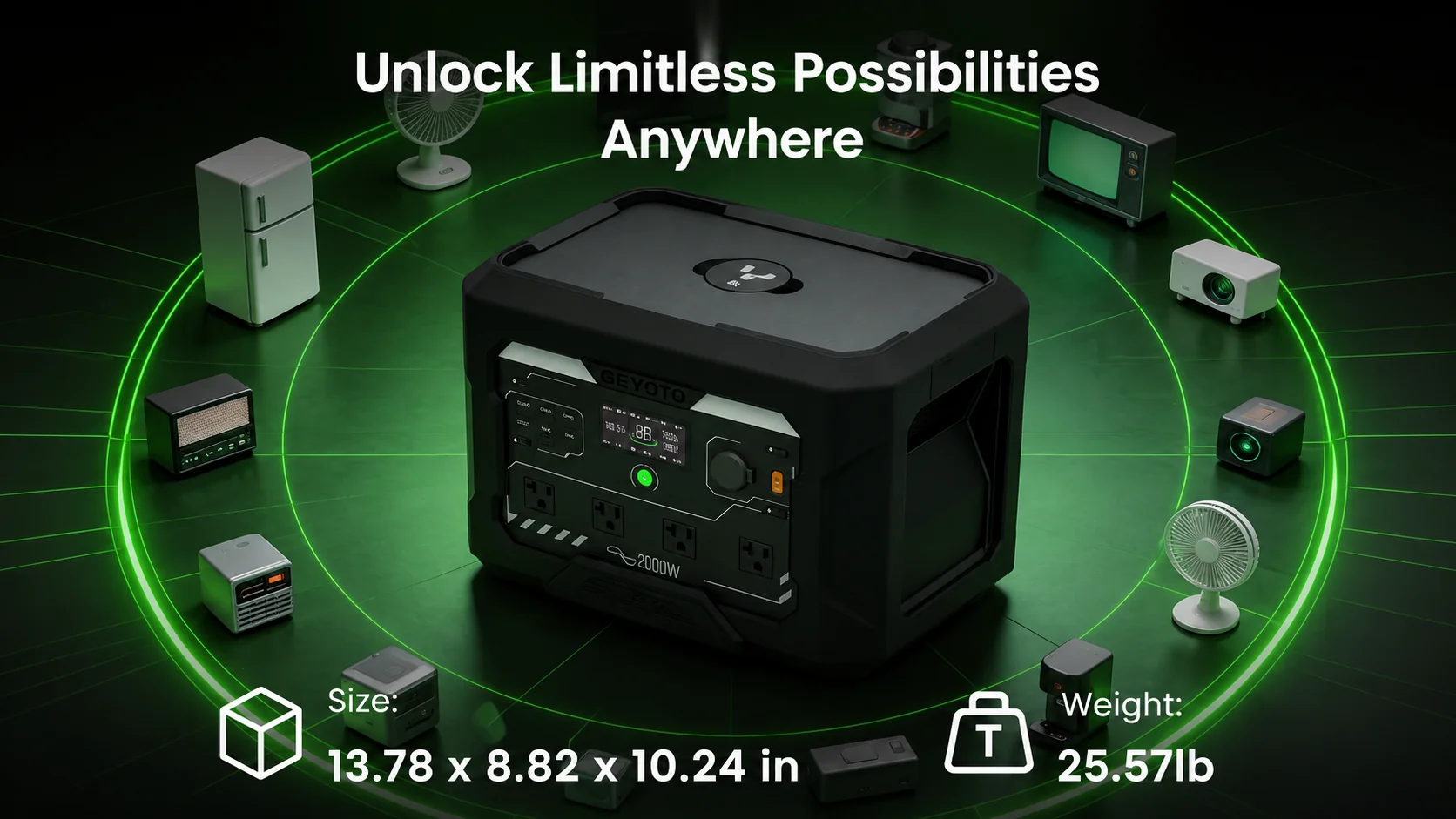
Different homes require different backup solutions. Portable power stations are convenient for charging smaller electronics and powering selected appliances. They are generally easy to use and can often be recharged from wall outlets, solar panels, or a vehicle, depending on the model.
Larger battery backup systems can provide more energy and may be suitable for households that need to operate refrigerators, medical equipment, networking equipment, and other critical loads for extended periods. Home battery systems can also be integrated with solar panels, allowing homeowners to recharge stored energy when sunlight is available after the storm.
Generators remain another option, but they require careful handling. Fuel-powered generators must always be operated outdoors in a properly ventilated location because they produce carbon monoxide, a dangerous and potentially deadly gas. Never operate a generator inside a home, garage, basement, or enclosed porch. Follow the manufacturer’s safety instructions and use appropriate transfer equipment when connecting a generator to household circuits.
Prioritize Devices During Extended Outages
When a hurricane causes a prolonged blackout, energy management becomes just as important as having backup power. Divide devices into three categories: essential, important, and optional.
Essential equipment should receive priority. This may include medical devices, emergency communication equipment, refrigeration for critical food or medicine, and necessary water or drainage pumps. Important devices might include fans, internet routers, and selected lighting. Optional equipment, such as televisions, gaming systems, decorative lighting, and high-power kitchen appliances, can be used only when sufficient energy is available.
A simple schedule can extend battery life. Instead of running a refrigerator continuously, use an energy-efficient model and minimize door openings. Charge phones and laptops during planned periods rather than leaving chargers connected unnecessarily. Turn off Wi-Fi equipment when it is not needed, unless the household relies on it for emergency communication.
Energy-efficient LED bulbs are particularly useful during outages because they provide substantial lighting while consuming relatively little electricity. Rechargeable lanterns and flashlights can also reduce the demand placed on the primary backup battery.
Prepare Multiple Charging Options
A strong emergency plan should not rely on one source of electricity. If the main backup battery fails or becomes depleted, alternative charging methods can provide additional flexibility.
Solar panels can recharge compatible portable power stations and home battery systems when weather conditions allow. Although hurricanes often bring cloud cover and rain, solar charging may become valuable once the storm passes. Vehicle charging can also be useful for smaller devices and compatible power stations, provided the vehicle can be operated safely outdoors.
Keep several power banks fully charged before severe weather arrives. These can provide temporary electricity for smartphones, flashlights, and other USB-powered devices. Having multiple charging cables and adapters is equally important. A backup system is less useful if the necessary cable is missing or damaged.
Protect Backup Equipment From Storm Damage
Backup power equipment should be stored in a safe, dry location before the hurricane arrives. Batteries and portable power stations should be protected from water, excessive heat, and physical damage. Fuel for generators should be stored according to local safety regulations and manufacturer recommendations.
Do not wait until the storm is approaching to test the system. Charge batteries in advance, inspect cables, verify that devices work with the inverter, and confirm that the generator starts properly if you have one. Testing beforehand can reveal problems while there is still time to fix them.
It is also helpful to label important equipment and keep instruction manuals accessible. Family members should know how to operate essential backup systems safely, especially if the primary person responsible for emergency preparations is unavailable.
Create an Emergency Power Plan
A written emergency power plan can make a stressful situation easier to manage. List essential devices, their estimated wattage, required operating hours, and the backup source assigned to each one. Include a charging schedule and identify which appliances should be switched off first if battery levels become low.
Families should also monitor battery levels throughout an extended outage. Many modern power stations provide digital displays showing remaining capacity and power consumption. Use this information to adjust energy usage before the battery reaches a critically low level.
Communication is another key part of the plan. Keep emergency contact numbers available and maintain at least one battery-powered or hand-crank radio for receiving official updates. Weather alerts can provide important information about evacuation orders, flooding, changing storm conditions, and restoration efforts.
Plan for More Than One Day Without Power
The most effective hurricane preparedness strategy assumes that an outage could last longer than expected. Even if utility companies estimate a short restoration period, damaged infrastructure, flooding, and difficult road conditions can delay repairs.
Keeping essential devices powered during a hurricane requires a balance between capacity, efficiency, and safety. By identifying critical equipment, calculating energy consumption, choosing an appropriate backup system, preparing multiple charging options, and practicing responsible energy management, homeowners can improve their ability to handle extended outages.
The goal is not necessarily to power the entire house as usual. Instead, the objective is to maintain the systems that protect health, safety, communication, food, and basic comfort. With advance planning and a reliable backup strategy, households can be better prepared to remain functional and connected while waiting for the electricity grid to recover.