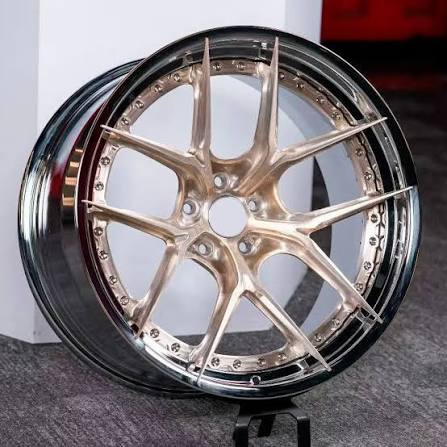
Custom forged wheels have become a popular choice among automotive enthusiasts who want to improve their vehicles’ performance, durability, and appearance. Wheels play an important role in how a vehicle handles, accelerates, brakes, and responds to different road conditions. While standard wheels are suitable for everyday driving, forged wheels offer several advantages for drivers seeking a more personalized and performance-focused upgrade.
From sports cars and luxury vehicles to modified street cars, custom forged wheels provide an attractive combination of engineering and design. Their manufacturing process creates a strong wheel structure, while customization allows owners to select finishes, sizes, and styles that complement their vehicles. Understanding their benefits can help drivers decide whether forged wheels are the right investment for their automotive needs.
What Are Custom Forged Wheels?
Custom forged wheels are manufactured from solid metal, typically aluminum alloy, using a process that applies substantial pressure to shape the material. This process creates a dense structure with desirable mechanical properties, making forged wheels suitable for applications where strength and weight are important considerations.
Unlike many conventional cast wheels, which are produced by pouring molten metal into a mold, forged wheels begin with a solid billet or forged blank. The material is shaped under high pressure and then machined into its final form. Additional finishing processes help achieve the required dimensions, surface quality, and appearance.
The custom aspect allows buyers to choose different wheel diameters, widths, offsets, bolt patterns, and finishes. These options make it possible to create a wheel configuration that suits a particular vehicle, provided the design meets appropriate fitment and load requirements.
How Forged Wheels Improve Vehicle Performance
Reduced Unsprung Weight
One of the main advantages of forged wheels is the opportunity to reduce weight without sacrificing the strength required for their intended application. The final weight depends on the wheel’s design, dimensions, material, and manufacturing specifications, but a well-engineered forged wheel can be lighter than a comparable conventional wheel.
Wheel weight contributes to unsprung mass, which includes components that are not supported directly by the suspension springs. Reducing unsprung mass can help the suspension respond more effectively to bumps and changes in road surfaces.
Lighter wheels may also reduce rotational inertia, allowing the vehicle to accelerate and decelerate more efficiently. These benefits can be particularly noticeable in performance vehicles, where handling response and precise control are important.
Improved Handling and Steering Response
Wheel design influences how a vehicle behaves during cornering, braking, and rapid changes in direction. A properly selected set of custom forged wheels can support responsive handling by combining appropriate weight, structural strength, and correct fitment.
Drivers may notice more direct steering feedback when lighter wheels replace heavier alternatives, although tires, suspension components, alignment, and overall vehicle setup also have a major influence on handling.
Wheel width and offset should be selected carefully. Incorrect dimensions can cause tire rubbing, interfere with suspension components, or negatively affect steering characteristics. Professional fitment advice helps ensure that the wheels complement the vehicle instead of creating unnecessary problems.
Support for Braking Performance
Braking performance depends on several factors, including brake design, tire grip, vehicle weight, and thermal management. Forged wheels can contribute indirectly by reducing rotational mass and providing suitable clearance for larger brake components.
For performance vehicles, custom wheel designs can accommodate specific brake calipers and rotors when the required dimensions are carefully verified. Some wheel designs also incorporate spoke arrangements that support airflow around braking components.
However, forged construction alone does not guarantee shorter stopping distances or better heat management. The overall wheel design, tire selection, brake system, and driving conditions determine the final result.
Strength and Durability of Forged Wheels
A Strong Manufacturing Foundation
The forging process applies controlled pressure to shape the metal, producing a material structure that can offer excellent strength and fatigue resistance when properly manufactured. This makes forged wheels attractive for vehicles exposed to demanding driving conditions.
High-quality forged wheels are engineered to withstand the loads associated with acceleration, cornering, braking, and road impacts. Nevertheless, no wheel is indestructible. Severe potholes, collisions, overloading, or improper installation can damage even a premium forged wheel.
Buyers should consider engineering quality, material specifications, manufacturing standards, and load ratings rather than relying exclusively on the word “forged” when comparing products.
Long-Term Reliability
Durability depends on more than manufacturing method. Material quality, machining accuracy, heat treatment, protective coatings, and regular maintenance all influence how a wheel performs over time.
A properly manufactured forged wheel can provide reliable service for many years when used within its intended limits. Drivers should inspect their wheels periodically for cracks, bends, corrosion, and other signs of damage.
After a significant impact, a professional inspection is advisable even if the wheel appears normal from the outside. Hidden structural damage may affect safety, particularly when the vehicle is driven at highway speeds.
Customization Options for Every Vehicle
Unique Designs and Finishes
One of the biggest attractions of custom forged wheels is the wide range of available styling options. Drivers can choose from multi-spoke designs, split-spoke patterns, mesh styles, deep-concave profiles, and clean minimalist appearances.
Finishes can include gloss black, satin black, silver, brushed metal, polished surfaces, and various custom colors. These choices allow vehicle owners to coordinate their wheels with the body color, trim, exterior accessories, and overall styling theme.
Some manufacturers offer personalized center caps, engraved details, contrasting accents, and special surface treatments. These features make it possible to create a distinctive appearance without changing the vehicle’s original character.
Selecting the Right Size and Fitment
Choosing the correct dimensions is essential for both appearance and functionality. Wheel diameter, width, offset, center bore, and bolt pattern must match the vehicle’s requirements or an appropriately engineered fitment specification.
A wider wheel may allow the use of a wider tire, but it must provide sufficient clearance and remain compatible with the vehicle’s suspension and bodywork. Increasing wheel diameter can also affect ride comfort, tire availability, and replacement costs.
Before ordering custom forged wheels, owners should confirm the manufacturer’s fitment recommendations and verify compatibility with the intended tire size and braking system.
Custom Forged Wheels for Different Driving Needs
Everyday Driving
For daily drivers, forged wheels can offer an appealing balance of style, strength, and potential weight savings. A practical design with an appropriate diameter and sufficient sidewall height may preserve ride comfort while improving the vehicle’s appearance.
Daily drivers should prioritize dependable construction, suitable load capacity, resistance to common road conditions, and convenient maintenance. Extremely low-profile tires may look attractive but can increase the risk of tire or wheel damage on rough roads.
Sports Cars and Performance Vehicles
Sports cars can benefit from wheels designed around handling response, braking clearance, and reduced rotational mass. Custom specifications also help owners achieve a balanced setup that works with their tires and suspension.
Track-focused drivers should pay particular attention to load ratings, heat exposure, tire compatibility, and manufacturer testing. A wheel designed for ordinary road use may not be appropriate for every motorsport application.
Luxury and Modified Vehicles
Luxury vehicle owners often choose forged wheels for their premium appearance and customization potential. Carefully selected designs can complement the vehicle’s proportions while creating a more distinctive exterior.
For modified vehicles, wheel fitment should be considered alongside suspension changes, body kits, brake upgrades, and tire selection. A coordinated setup generally produces a more functional and visually consistent result than choosing wheel dimensions based on appearance alone.
Forged Wheels Compared With Cast Wheels
Cast wheels are manufactured by pouring molten metal into a mold. This process can produce wheels efficiently and often makes them more affordable. They are widely used on everyday vehicles and are available in many designs.
Forged wheels generally involve more specialized manufacturing and machining, which can increase production costs. Their potential advantages include high strength relative to weight and greater flexibility in certain performance-oriented designs.
However, the comparison is not always straightforward. A well-designed cast wheel can be perfectly suitable for normal driving, while a poorly engineered forged wheel may not deliver the expected benefits. Actual performance depends on the specific product’s construction, dimensions, quality control, and intended use.
Drivers should compare verified weight figures, load ratings, warranty terms, and applicable testing information before making a decision.
Maintenance Tips for Custom Forged Wheels
Regular maintenance helps preserve both the appearance and performance of forged wheels.
First, clean the wheels using a suitable automotive wheel cleaner and a soft brush. Avoid harsh chemicals or abrasive materials that could damage painted, polished, or coated surfaces.
Second, inspect the wheels for visible cracks, unusual bends, corrosion, and damage around the mounting areas. If a wheel develops persistent vibration or a tire repeatedly loses pressure, arrange a professional inspection.
Third, use the correct wheel hardware and follow the vehicle or wheel manufacturer’s torque specifications. Improperly tightened fasteners can create serious safety concerns.
Finally, maintain the recommended tire pressure and avoid overloading the vehicle. Proper tire care supports handling, fuel efficiency, and overall wheel reliability.
Are Custom Forged Wheels Worth the Investment?
Custom forged wheels can be a worthwhile upgrade for drivers who value performance engineering, weight optimization, durability, and personalized styling. They are especially attractive to enthusiasts building performance vehicles or seeking a premium appearance with carefully selected specifications.
However, forged wheels typically cost more than many standard alternatives. The total investment may also include compatible tires, installation, balancing, and any additional fitment adjustments.
Before purchasing, establish a realistic budget and identify the benefits that matter most. If the vehicle is used mainly for routine commuting, a high-quality conventional wheel may offer excellent value. If weight, specialized fitment, or customization is a priority, forged wheels may justify the additional expense.
Buyers should purchase from reputable manufacturers or authorized sellers and request clear information about materials, load capacity, construction, warranty coverage, and suitability for their intended driving conditions.
Conclusion
Custom forged wheels combine advanced manufacturing with opportunities for meaningful vehicle personalization. Their potential advantages include reduced weight, strong material properties, responsive handling, and compatibility with carefully planned performance upgrades. At the same time, their extensive customization options allow drivers to create a distinctive appearance that complements their vehicles.
Choosing the right wheels requires more than selecting an attractive design. Fitment accuracy, engineering quality, tire compatibility, load ratings, and maintenance all contribute to long-term satisfaction and safety.
By evaluating these factors carefully, automotive enthusiasts can determine whether custom forged wheels meet their requirements and select a configuration that balances performance, strength, and style. The right set of wheels can become an important part of a well-planned vehicle upgrade, providing both functional benefits and a personalized finish.