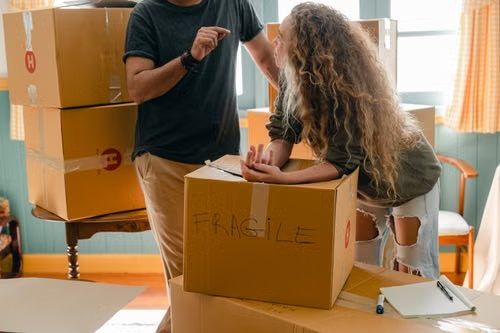
Packing an entire home can feel overwhelming, but breaking the task down room by room makes the process much more manageable. Whether you’re moving across town or to a different city, working with a professional Flyttfirma Landskrona and following a structured packing plan can help you stay organized while protecting your belongings throughout the move.
Instead of packing randomly, focus on completing one room before moving to the next. This approach minimizes confusion, keeps similar items together, and makes unpacking much easier once you arrive at your new home.
Start with the Guest Room or Storage Areas
Begin with rooms that you use less frequently.
These spaces often contain:
- Seasonal decorations
- Extra bedding
- Holiday items
- Old books
- Storage containers
Packing these rooms first allows you to build momentum without disrupting your daily routine.
Pack the Living Room
The living room contains a variety of items that require careful organization.
Pack:
- Books
- Decorative pieces
- Picture frames
- Electronics
- Lamps
- Small furniture accessories
Wrap fragile decorations individually and label electronics clearly to make reconnecting them easier after the move.
Organize the Kitchen
The kitchen usually takes the longest to pack because of its fragile and varied contents.
Pack similar items together:
- Plates and bowls
- Glassware
- Pots and pans
- Small appliances
- Pantry items
- Utensils
Use plenty of bubble wrap or packing paper for breakable items, and clearly mark boxes containing fragile kitchenware.
Pack Bedrooms Efficiently
Bedrooms are generally easier to organize if you pack category by category.
Separate:
- Clothing
- Shoes
- Bedding
- Personal items
- Books
- Decorations
Leave enough clothing for the final few days before your move and pack the rest ahead of time.
Prepare the Bathroom
Bathrooms contain many small items that are easy to overlook.
Pack:
- Toiletries
- Towels
- Cosmetics
- Cleaning supplies
- First-aid items
Seal any liquids securely to prevent leaks during transportation, and dispose of expired products before packing.
Organize the Home Office
Office equipment requires extra care.
Remember to:
- Back up important files.
- Label computer cables.
- Pack electronics with protective padding.
- Organize documents into clearly labeled folders.
Keeping office supplies together will make setting up your workspace much easier.
Don’t Forget the Garage and Outdoor Areas
Garages, sheds, and patios often contain bulky or irregularly shaped items.
Sort and pack:
- Garden tools
- Sports equipment
- Power tools
- Outdoor furniture
- Storage bins
Dispose of hazardous materials such as paint, fuel, or chemicals according to local regulations instead of attempting to move them.
Label Every Box
No matter which room you’re packing, proper labeling is essential.
Each box should include:
- Room name
- Brief description of contents
- “Fragile” label if necessary
- Priority level (if it should be unpacked first)
A consistent labeling system saves time during unloading and unpacking.
Pack an Essentials Box Last
Prepare one final box or suitcase containing everything you’ll need immediately after moving.
Include:
- Phone chargers
- Medications
- Important documents
- Toiletries
- Snacks
- Basic kitchen supplies
- A change of clothes
Keep this box with you instead of placing it on the moving truck.
Final Thoughts
Packing room by room is one of the most effective ways to stay organized during a move. By focusing on one area at a time, labeling boxes carefully, protecting fragile belongings, and preparing essential items separately, you can simplify both the packing and unpacking process. With a little planning and a systematic approach, your move will be more efficient, less stressful, and much easier to manage.