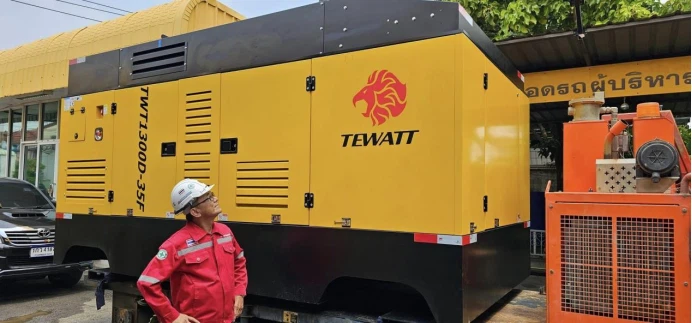
Diesel air compressors are an essential part of many construction, industrial, and job site operations. They power tools, inflate tires, and provide compressed air for various applications. However, operating these machines efficiently is crucial not only for reducing operational costs but also for minimizing environmental impact. Improving diesel air compressor fuel efficiency is a key goal for operators who want to maximize productivity without overspending on fuel. Here are the top tips to achieve better fuel efficiency on your job sites.
Understanding Diesel Air Compressor Fuel Efficiency
Before diving into actionable tips, it’s important to understand what affects diesel air compressor fuel efficiency. Fuel efficiency refers to the amount of work your compressor can perform relative to the fuel it consumes. Factors influencing efficiency include the machine’s age, maintenance schedule, load conditions, ambient temperature, and how the compressor is operated. By focusing on these areas, you can significantly reduce fuel consumption while maintaining optimal performance.
Regular Maintenance and Servicing
One of the most effective ways to improve diesel air compressor fuel efficiency is through regular maintenance. A well-maintained compressor runs more smoothly, requires less fuel, and avoids unnecessary downtime. Key maintenance practices include:
- Checking and replacing air filters: Dirty or clogged air filters force the compressor to work harder, consuming more fuel.
- Oil changes: Using the correct oil and changing it regularly reduces friction in the engine and air-end components.
- Inspecting hoses and connections: Leaks can cause the compressor to draw more power, increasing fuel use.
- Monitoring fuel filters: Clean fuel filters ensure proper fuel flow, preventing inefficiencies.
Following a strict maintenance schedule not only improves fuel efficiency but also extends the lifespan of your diesel air compressor.
Operating at Optimal Load
Diesel air compressors are most fuel-efficient when operated close to their optimal load. Running the machine under very light loads for extended periods or continuously at maximum load can both reduce efficiency. To achieve the best diesel air compressor fuel efficiency:
- Avoid oversized compressors for your job site tasks, as they consume more fuel than necessary at low loads.
- Use variable speed compressors if possible, which adjust engine speed according to demand and save fuel.
- Monitor pressure settings and ensure the machine isn’t working harder than needed to meet air demands.
Understanding the load requirements of your site and matching them with the right compressor helps in reducing unnecessary fuel consumption.
Proper Placement on Job Sites
The location of your diesel air compressor on a job site can influence fuel efficiency. Placing it in a well-ventilated area ensures the engine remains cool, which improves performance and reduces fuel waste. Key placement tips include:
- Keep the compressor away from direct sunlight to prevent overheating.
- Position it on a stable and level surface to avoid unnecessary strain on the engine.
- Ensure easy access for regular inspections and refueling, which prevents idle times and inefficient operation.
Strategically placing your compressor can make operations smoother and reduce the amount of fuel burned unnecessarily.
Minimizing Idle Time
Idle time is one of the biggest fuel wasters on job sites. Many operators leave compressors running while not in use, leading to wasted diesel. To enhance diesel air compressor fuel efficiency:
- Turn off the compressor when not actively in use.
- Use automatic shutdown features if your machine has them, which stop the engine after a set period of inactivity.
- Schedule work in batches to reduce intermittent start-and-stop cycles, which consume extra fuel.
Minimizing idle time directly translates to fuel savings and lowers operating costs.
Keeping the Compressor Clean
A clean diesel air compressor is more efficient. Dust, mud, and debris can block vents, cause overheating, and reduce engine performance. Regular cleaning helps maintain diesel air compressor fuel efficiency by ensuring optimal airflow and cooling. Recommended practices include:
- Wiping down the exterior daily or weekly, depending on site conditions.
- Cleaning radiator fins and cooling systems to prevent overheating.
- Removing debris from intake and exhaust areas to maintain proper airflow.
Clean machines are less prone to breakdowns and operate more efficiently, saving fuel over time.
Using Quality Diesel Fuel
The type and quality of diesel fuel used directly impact compressor performance and fuel efficiency. Poor-quality fuel can cause incomplete combustion, reduce engine power, and increase fuel consumption. To maintain diesel air compressor fuel efficiency:
- Use diesel from reputable suppliers to ensure consistency and purity.
- Avoid storing fuel for long periods, as degradation can occur over time.
- Consider fuel additives recommended by the manufacturer to improve combustion efficiency.
High-quality fuel helps your compressor run smoothly and reduces the need for frequent maintenance.
Monitoring Fuel Consumption
Tracking fuel consumption is essential to identifying inefficiencies. By monitoring how much diesel your air compressor uses during specific tasks, you can pinpoint areas for improvement. Tips include:
- Keep a log of fuel usage for different job site activities.
- Compare fuel consumption across multiple compressors or operators to identify best practices.
- Use telematics or fuel monitoring systems if available for precise tracking.
Regular monitoring allows for proactive adjustments that optimize diesel air compressor fuel efficiency.
Training Operators
Operator behavior has a significant impact on fuel efficiency. Even the most efficient compressors can burn excessive fuel if handled incorrectly. Training your workforce ensures the machine is used optimally. Key training areas include:
- Correct startup and shutdown procedures to minimize idle time.
- Maintaining appropriate pressure and load during operations.
- Recognizing signs of maintenance needs early to prevent inefficient operation.
A well-trained operator team maximizes performance while reducing fuel consumption.
Investing in Modern Equipment
Finally, upgrading to modern, fuel-efficient diesel air compressors can provide long-term savings. Newer models feature advanced engines, improved cooling systems, and variable speed options that reduce fuel use. Investing in energy-efficient compressors is a cost-effective strategy to enhance diesel air compressor fuel efficiency over the lifespan of the machine.
Conclusion
Improving diesel air compressor fuel efficiency on job sites is achievable through a combination of proper maintenance, smart operation, and strategic planning. By understanding load requirements, minimizing idle time, using quality fuel, keeping equipment clean, and training operators, you can significantly reduce diesel consumption and operational costs. Monitoring fuel usage and considering upgrades to modern compressors further enhances efficiency. Implementing these tips not only benefits your budget but also supports sustainable and responsible job site operations.
Optimizing diesel air compressor fuel efficiency is a proactive approach that keeps your equipment running longer, performing better, and consuming less fuel — making it a win-win for both your operations and the environment.