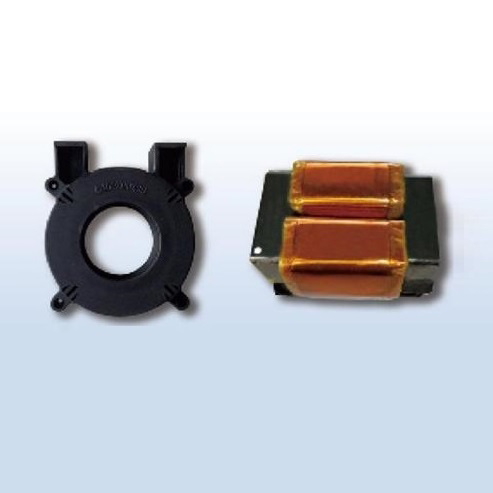
In modern industrial environments, power stability and efficiency are critical for maintaining productivity and protecting sensitive equipment. One of the key components that ensures reliable energy conversion is the precision inverter power supply transformer core for industrial use. This specialized component plays a vital role in converting electrical energy with minimal losses while maintaining high performance standards. Understanding its design, functionality, and applications can help industries make informed decisions when selecting the right transformer core for their systems.
What Is a Precision Inverter Power Supply Transformer Core
A precision inverter power supply transformer core for industrial use is a magnetic core designed specifically for inverter-based power systems. It serves as the central element in a transformer, guiding magnetic flux and enabling efficient energy transfer between circuits. These cores are engineered with high-quality materials and precise construction techniques to ensure minimal energy loss, low noise, and stable performance.
Unlike conventional transformer cores, precision inverter cores are optimized for high-frequency operations. This makes them ideal for modern inverter systems used in industrial automation, renewable energy, and power backup solutions.
Importance in Industrial Applications
The importance of a precision inverter power supply transformer core for industrial use cannot be overstated. Industries rely on stable and efficient power systems to operate machinery, control systems, and critical infrastructure. A well-designed transformer core ensures:
- Reduced energy losses during power conversion
- Improved efficiency of inverter systems
- Enhanced durability under continuous operation
- Stable voltage output for sensitive equipment
These advantages contribute to overall operational efficiency and cost savings, making the right transformer core a valuable investment.
Types of Transformer Core Materials
Silicon Steel Cores
Silicon steel is widely used due to its excellent magnetic properties and low hysteresis loss. It is suitable for many industrial inverter applications where efficiency is a priority.
Ferrite Cores
Ferrite cores are commonly used in high-frequency inverter systems. Their low electrical conductivity reduces eddy current losses, making them ideal for precision inverter power supply transformer core for industrial use in compact and high-speed applications.
Amorphous Metal Cores
Amorphous cores offer extremely low core losses and high efficiency. Although they are more expensive, they are often chosen for applications where energy savings and performance are critical.
Key Design Features
High Magnetic Permeability
A high level of magnetic permeability allows the core to efficiently channel magnetic flux, improving overall transformer performance.
Low Core Loss
Precision inverter cores are designed to minimize hysteresis and eddy current losses, ensuring efficient energy conversion.
Thermal Stability
Industrial environments often involve high temperatures. A precision inverter power supply transformer core for industrial use must maintain performance under thermal stress.
Compact Size
Modern industrial systems require compact components. Precision cores are designed to deliver high performance without occupying excessive space.
Applications in Industry
Manufacturing Plants
In manufacturing, inverter systems control motors, robotics, and automation equipment. A precision inverter power supply transformer core for industrial use ensures consistent performance and energy efficiency.
Renewable Energy Systems
Solar and wind energy systems rely on inverters to convert generated power into usable electricity. High-quality transformer cores are essential for maximizing energy output.
Data Centers
Data centers require stable power supplies to prevent downtime. Precision transformer cores help maintain uninterrupted power flow.
Industrial Automation
Automation systems depend on accurate voltage and current control. Transformer cores play a crucial role in ensuring reliable system operation.
Advantages of Using Precision Transformer Cores
Energy Efficiency
One of the biggest benefits of using a precision inverter power supply transformer core for industrial use is improved energy efficiency. Lower energy losses translate to reduced operational costs.
Reliability
These cores are designed for long-term use, providing consistent performance even in demanding environments.
Reduced Heat Generation
Efficient cores generate less heat, reducing the need for additional cooling systems and extending the lifespan of equipment.
Noise Reduction
Precision design minimizes vibration and noise, which is especially important in sensitive industrial settings.
Factors to Consider When Choosing a Transformer Core
Operating Frequency
Different cores are suited for different frequency ranges. Selecting the right core ensures optimal performance.
Load Requirements
Understanding the load capacity helps in choosing a core that can handle the required power without inefficiency.
Environmental Conditions
Industrial environments may involve heat, dust, or moisture. The chosen core must withstand these conditions.
Cost vs Performance
While high-performance cores may be more expensive, they often provide better long-term value through energy savings and durability.
Maintenance and Longevity
Proper maintenance is essential to ensure the longevity of a precision inverter power supply transformer core for industrial use. Regular inspection, cleaning, and monitoring of temperature and performance can prevent failures and extend service life.
Using high-quality materials and ensuring proper installation also contribute significantly to the durability of the transformer core.
Future Trends in Transformer Core Technology
With advancements in technology, transformer cores are becoming more efficient and compact. Innovations in materials, such as nanocrystalline alloys, are further improving performance. Additionally, the integration of smart monitoring systems allows real-time tracking of core performance, enabling predictive maintenance.
As industries move toward automation and renewable energy, the demand for advanced precision inverter power supply transformer core for industrial use is expected to grow significantly.
Conclusion
The precision inverter power supply transformer core for industrial use is a crucial component in modern power systems. Its ability to deliver efficient, stable, and reliable performance makes it indispensable across various industries. By understanding its features, materials, and applications, businesses can select the right transformer core to meet their specific needs.
Investing in a high-quality transformer core not only enhances system performance but also reduces operational costs and ensures long-term reliability. As technology continues to evolve, these components will play an even greater role in shaping the future of industrial power systems.