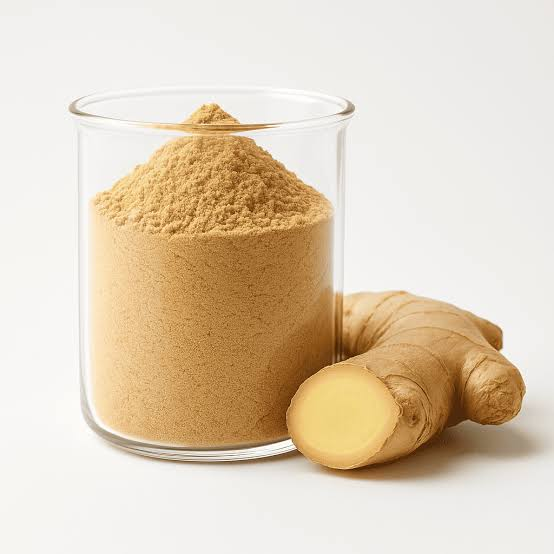
Ginger has been valued for centuries for its distinctive flavor, aromatic qualities, and traditional uses. Today, modern processing methods have made it possible to concentrate many of the desirable compounds found in ginger into convenient forms such as Ginger Root Extract Powder. This powdered ingredient is widely used across food, beverage, nutraceutical, herbal, and wellness product applications.
Unlike ordinary ground ginger, ginger root extract powder is produced through specialized extraction and drying processes designed to concentrate selected components of the ginger root. Its convenient powder format also makes it easier to store, transport, measure, and incorporate into different formulations. For manufacturers and product developers, understanding its characteristics, applications, and quality factors can help support better purchasing and formulation decisions.
What Is Ginger Root Extract Powder?
Ginger root extract powder is a concentrated powdered ingredient derived from the rhizome of the ginger plant. The raw ginger is processed to obtain targeted compounds before the extract is dried into a stable powder.
The final product can vary considerably depending on the ginger variety, extraction technique, extraction ratio, drying process, and standardization requirements. Some products are designed to retain a broad range of naturally occurring ginger constituents, while others may be standardized to specific compounds.
Its fine texture allows the ingredient to be incorporated into capsules, drink mixes, functional foods, powdered beverages, and other formulations. Depending on the intended application, manufacturers may select different concentrations and specifications.
Key Characteristics of Ginger Extract Powder
One of the main advantages of ginger extract powder is its concentrated nature. Compared with conventional dried ginger powder, an extract can provide a more controlled amount of selected ginger constituents in a smaller quantity of material.
The powder commonly has a characteristic ginger aroma and flavor. Its appearance may range from light tan to deeper brown depending on the raw material and processing conditions.
Another useful characteristic is its versatility. Because it is available in a dry format, manufacturers can include it in products where liquid extracts would be inconvenient. Properly processed powder can also provide easier handling during large-scale manufacturing.
Common Applications in Food and Beverages
Ginger root extract powder is frequently used as a flavoring and functional ingredient in food and beverage development. Its warm, spicy profile can complement both sweet and savory formulations.
It may be incorporated into:
- Herbal teas and instant drink mixes
- Smoothies and powdered beverages
- Functional food products
- Baked goods
- Confectionery products
- Spice blends
- Nutrition powders
- Wellness drink formulations
When used in beverages, the powder can provide a recognizable ginger character without requiring fresh ginger preparation. Product developers can adjust the amount according to the desired flavor intensity and formulation requirements.
Use in Nutraceutical Products
The nutraceutical industry is another important application area for ginger extracts. Manufacturers may use standardized ginger extract powder in capsules, tablets, sachets, and other dietary supplement formats.
The concentrated nature of an extract makes it suitable for formulations where consistent ingredient quantities are important. However, the appropriate specification depends on the finished product, intended market, applicable regulations, and manufacturer requirements.
For supplement development, buyers should pay attention to documentation such as certificates of analysis, ingredient specifications, contaminant testing, and identity testing. These factors help manufacturers maintain consistency from one production batch to another.
Potential Benefits of Ginger Root Extract
Ginger naturally contains several compounds that have attracted scientific and nutritional interest. These include gingerols and related constituents that contribute to ginger’s characteristic taste and aroma.
Ginger has traditionally been used in many cultures as part of dietary and herbal practices. Modern research has also investigated ginger and its naturally occurring compounds in various areas of human health. However, the effects of a particular ginger extract can depend on its composition, concentration, dosage, and formulation.
For this reason, manufacturers should avoid treating every ginger extract as identical. A standardized extract with a defined chemical profile may have different characteristics from a simple powdered ginger ingredient.
Importance of Extraction and Processing
The quality of ginger root extract powder begins with the raw ginger material. Factors such as variety, growing conditions, harvesting practices, storage, and freshness can influence the resulting extract.
Extraction technology also plays an important role. Different extraction methods can affect the concentration and profile of naturally occurring compounds. After extraction, drying technology must be carefully managed to produce a stable powder while maintaining the desired characteristics.
Manufacturers should therefore evaluate the complete production process rather than considering only the final appearance of the powder.
How to Choose a Quality Ginger Root Extract Powder
Selecting the right ginger extract requires more than comparing prices. Buyers should evaluate several technical and commercial factors before placing an order.
Check the Extract Specification
The product specification should clearly identify the botanical source, extraction ratio, active or marker compounds where applicable, and physical characteristics. A detailed specification helps ensure that the ingredient matches the intended formulation.
Review Testing and Documentation
Reliable suppliers should be able to provide appropriate quality documentation. Depending on the application, this may include a certificate of analysis, microbiological testing, heavy metal testing, pesticide testing, and other relevant quality-control information.
Consider Solubility and Application Requirements
Not every ginger powder behaves the same way in a finished product. Solubility, dispersibility, particle size, color, and flavor can all affect formulation performance. Manufacturers should select a powder based on the requirements of the final application.
Evaluate Packaging and Storage
Proper packaging helps protect powdered extracts from moisture, heat, light, and contamination. Storage recommendations should be followed carefully to maintain product quality throughout its intended shelf life.
Ginger Extract Powder in Modern Product Development
Consumer interest in recognizable botanical ingredients has encouraged manufacturers to explore convenient plant-based ingredients for new product categories. Ginger fits well into this trend because it has a long history of culinary and traditional use.
Food and beverage developers can use ginger extract to create distinctive flavor profiles, while nutraceutical manufacturers may incorporate standardized extracts into carefully designed formulations.
Its dry format is particularly useful for manufacturers working with powdered products. It can be weighed accurately, blended with other dry ingredients, and incorporated into production processes without the handling requirements associated with fresh ginger.
Storage and Handling Considerations
Like many botanical powders, ginger root extract should be protected from excessive moisture and unsuitable environmental conditions. Containers should remain properly sealed when the product is not being used.
A cool, dry storage environment is generally preferable, subject to the supplier’s specific recommendations. Good handling practices can help preserve the powder’s appearance, aroma, and overall quality.
Manufacturers should also use clean equipment and appropriate procedures when transferring or blending botanical ingredients to reduce the risk of contamination.
Conclusion
Ginger Root Extract Powder is a versatile botanical ingredient with applications across food, beverages, nutraceuticals, and wellness-oriented product development. Its concentrated powdered form offers practical advantages for manufacturers seeking a convenient ginger-derived ingredient with defined specifications.
Choosing the right product requires attention to botanical source, extraction method, standardization, testing, solubility, packaging, and storage requirements. By working with reliable suppliers and reviewing detailed quality documentation, manufacturers can select ginger extract powder that fits their specific formulation and production needs.
As demand for convenient botanical ingredients continues to grow, ginger extract powder remains a useful option for developing products that combine traditional ginger characteristics with modern manufacturing convenience.