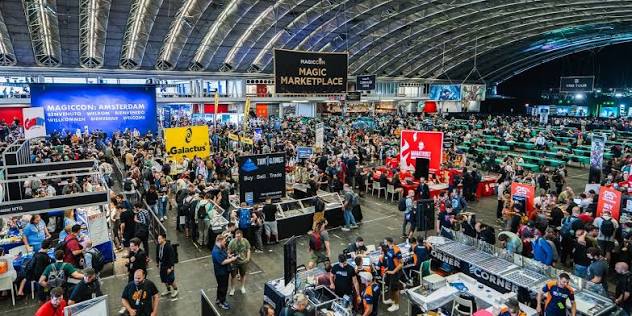
Corporate events are designed to bring people together, share important messages, celebrate achievements, and strengthen professional relationships. Whether it is a company conference, annual dinner, awards ceremony, product launch, team-building event, or networking gathering, the way the event flows can have a major effect on the overall experience. This is where an mc for corporate events becomes an important part of the event team.
A professional master of ceremonies, commonly called an MC, guides the audience through the event from beginning to end. They introduce speakers, announce activities, maintain the schedule, communicate important information, and help create an engaging atmosphere. A skilled MC can make an event feel organized, professional, and enjoyable while allowing company leaders and guests to focus on their roles.
Why Corporate Events Need a Professional MC
Corporate events often include several different segments. There may be speeches, presentations, award ceremonies, entertainment, meals, networking sessions, and interactive activities. Without someone coordinating these elements, transitions can sometimes feel disconnected.
An experienced MC provides continuity between each part of the program. They explain what is happening next and ensure attendees understand the schedule. This creates a smoother experience for both organizers and guests.
A professional MC also understands that corporate audiences are different from casual entertainment audiences. The language, humor, timing, and presentation style need to remain appropriate for the company’s culture and the event’s purpose.
Creating a Strong First Impression
The opening moments of a corporate event are especially important. Guests quickly form an impression based on how organized and welcoming the event feels.
An MC can welcome attendees, introduce the company or organization, explain the event schedule, and set expectations for the day. A confident introduction can immediately capture attention and establish a professional atmosphere.
For example, at an annual company celebration, the MC might welcome employees and guests before introducing senior management. At a conference, they can briefly explain the day’s agenda before introducing the first speaker.
This organized approach helps attendees feel comfortable and prepared for what is coming next.
Keeping the Event on Schedule
Time management is one of the most important responsibilities of an MC. Corporate events usually operate according to carefully planned schedules. Speakers may have specific presentation times, meals may be arranged for particular periods, and entertainment or award segments may need to begin at predetermined times.
An MC helps keep these sections moving without making the event feel rushed. They can provide brief transitions when a speaker finishes early or make appropriate announcements when the schedule changes.
This flexibility is valuable because live events rarely go exactly according to plan. A professional MC can respond calmly to changes while keeping the audience informed.
Introducing Speakers and Presentations
Corporate events frequently feature executives, industry experts, motivational speakers, clients, or guest presenters. Their introductions should be informative without becoming unnecessarily long.
An MC can research each speaker beforehand and prepare concise introductions that establish credibility and explain why the speaker is relevant to the audience.
A strong introduction can increase audience attention before the presentation even begins. Instead of simply announcing a person’s name, the MC can briefly mention their professional background, achievements, or connection to the event.
Engaging the Audience
Keeping corporate audiences engaged can sometimes be challenging, particularly during long conferences or formal programs. An MC can use appropriate interaction to maintain energy throughout the event.
Audience engagement might include asking simple questions, encouraging applause, introducing short interactive activities, or inviting participants to respond to specific prompts.
The goal is not to turn a formal corporate event into a comedy show. Instead, the MC should understand the audience and use an appropriate level of interaction.
Maintaining Professional Energy
Every corporate event has its own personality. A product launch may require excitement and enthusiasm, while an awards ceremony may need a more elegant and formal approach.
An effective MC adjusts their communication style according to the occasion. Their voice, pacing, humor, and body language should support the company’s objectives.
For example, a technology conference may benefit from a modern and energetic presentation style. A formal business awards ceremony may require more polished and traditional communication.
This adaptability allows the MC to complement the event instead of distracting from it.
Handling Unexpected Situations
Even carefully planned events can experience unexpected situations. A speaker may arrive late, technical equipment may stop working, or a scheduled activity may take longer than expected.
A prepared MC can help manage these moments professionally. Instead of allowing an unexpected delay to create confusion, they can communicate with the audience and provide a smooth transition to another part of the program when possible.
This ability to remain calm under pressure is one of the reasons companies choose an experienced MC for corporate events.
Supporting the Event Organizers
Event planners and corporate organizers have many responsibilities. They may be coordinating venues, catering, speakers, entertainment, technical equipment, schedules, and guest arrangements.
An MC can reduce some of the pressure by taking responsibility for communication with the audience. Once the program begins, the MC becomes one of the main points of connection between the organizers and attendees.
They can make announcements, explain schedule changes, introduce activities, and communicate important instructions. This allows organizers to focus on other operational responsibilities behind the scenes.
Making Awards Ceremonies More Memorable
Awards ceremonies are common at corporate events. Employees, teams, partners, and clients may be recognized for their achievements.
An MC can build anticipation before each award and create a respectful atmosphere when recipients are announced. They can also guide recipients onto the stage and help maintain a consistent pace throughout the ceremony.
The presentation should remain professional while giving recognition moments the attention they deserve.
Choosing the Right Corporate MC
Selecting an MC should be based on the specific needs of the event. Companies should consider communication skills, professionalism, experience with similar audiences, preparation habits, and the ability to adapt.
It is also useful to choose someone who understands the company’s event objectives. The MC should know the schedule, speaker names, pronunciation, key announcements, and important details before stepping onto the stage.
A pre-event briefing can help ensure that everyone understands their responsibilities.
Preparing Before the Event
Successful MC performances usually involve preparation long before guests arrive. The MC should review the event agenda, research speakers, understand the audience, and coordinate with organizers.
They may also attend rehearsals to understand stage arrangements, microphones, lighting, presentations, and other technical requirements.
Preparation helps the MC deliver information confidently and reduces the risk of mistakes during the live event.
Conclusion
A corporate event is more than a collection of presentations, speeches, and activities. It is an experience that requires coordination, communication, and engagement. A professional MC can connect every part of the program and help the event move naturally from one segment to another.
From welcoming guests and introducing speakers to managing time and handling unexpected changes, an MC for corporate events can play a valuable role in creating a polished and organized occasion. With the right preparation, communication skills, and understanding of the audience, an MC can help companies deliver events that are informative, engaging, and memorable.