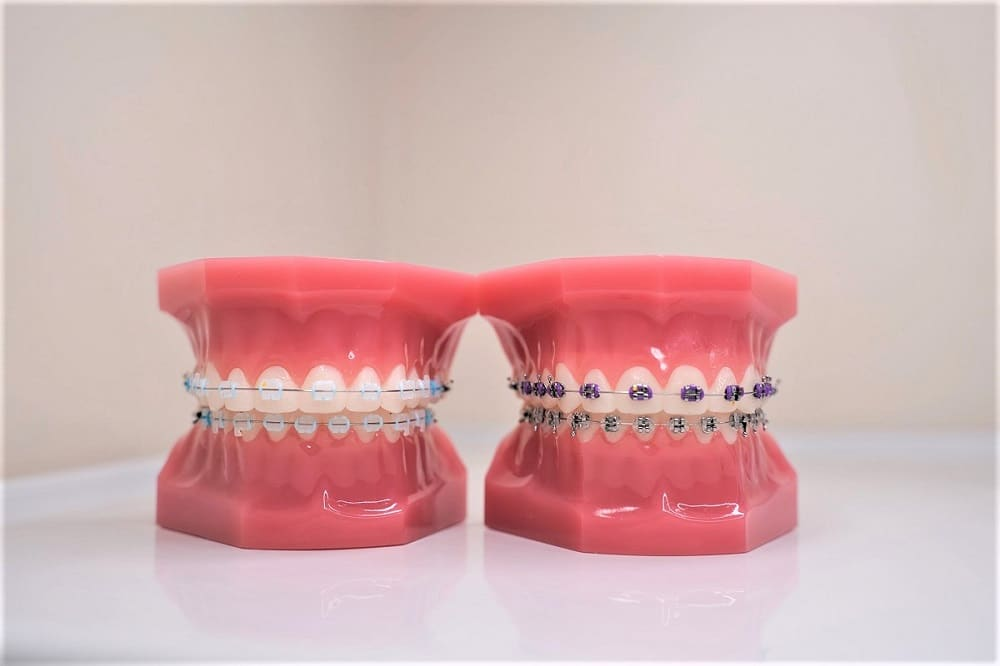
Orthodontic treatment is an important investment in a healthier, more confident smile. For many people considering braces, one of the first questions is how much treatment will cost. The cost of braces in Miami can vary considerably depending on several factors, including the type of braces, treatment complexity, expected treatment duration, orthodontist experience, and payment options. Understanding these factors can help patients make informed decisions before beginning orthodontic care.
What Determines the Cost of Braces?
There is no single price that applies to every orthodontic patient. Orthodontists develop individualized treatment plans based on each person’s dental and skeletal needs. A patient with a relatively simple alignment concern may require a shorter treatment period, while someone with significant crowding, spacing, or bite problems may need more comprehensive care.
The type of orthodontic appliance selected is another major factor. Traditional metal braces are often among the more affordable options. Ceramic braces, lingual braces, and clear aligner systems may have different prices because of the materials, technology, and laboratory processes involved.
The cost of braces in Miami may also reflect the level of customization required throughout treatment. Orthodontic care is not simply about placing brackets on teeth. It involves diagnosis, treatment planning, periodic adjustments, monitoring, and retention after active treatment.
Types of Braces and Their Pricing Differences
Traditional metal braces remain a popular choice for children, teenagers, and adults. They use metal brackets and archwires to gradually move teeth into healthier positions. Because this technology has been used for many years, it can provide an efficient and predictable treatment approach.
Ceramic braces work similarly to traditional braces but use tooth-colored or clear brackets designed to provide a less noticeable appearance. Their aesthetic advantage can make them appealing to older teenagers and adults. However, the materials and additional considerations involved may influence the overall treatment expense.
Lingual braces are attached to the back surfaces of the teeth, making them much less visible from the front. They require specialized expertise and customized equipment, which can make them more expensive than conventional braces.
Clear aligners are another popular orthodontic option. They use a series of removable, transparent trays to gradually reposition the teeth. The total expense depends on the complexity of the case, number of aligners required, and level of professional monitoring.
How Treatment Complexity Affects Expenses
Every smile presents different orthodontic challenges. Mild crowding may require relatively straightforward correction, while severe crowding, open bites, crossbites, overbites, or underbites can require more extensive treatment.
In some cases, orthodontic treatment may involve additional procedures before or during braces therapy. Tooth extractions, expansion, specialized appliances, or coordination with other dental professionals may increase the overall expense.
The anticipated treatment duration can also influence pricing. A treatment plan lasting several months may require fewer appointments and adjustments than a comprehensive treatment lasting two or more years. However, treatment length should always be determined according to clinical needs rather than price alone.
Why Orthodontic Consultations Matter
An initial orthodontic consultation is one of the best ways to understand expected treatment expenses. During this appointment, the orthodontist can evaluate tooth alignment, bite relationships, jaw development, and overall oral health.
Diagnostic records may include photographs, digital scans, X-rays, or other assessments. These tools help the orthodontist develop an individualized treatment plan and provide a more realistic estimate of costs.
Patients should use the consultation as an opportunity to ask questions. Understanding what is included in the quoted fee can prevent unexpected expenses later. Patients can ask whether the price includes diagnostic records, adjustment appointments, retainers, emergency visits, and post-treatment follow-up.
Insurance and Orthodontic Benefits
Dental insurance may help reduce out-of-pocket orthodontic expenses for qualifying patients. However, coverage varies significantly between plans. Some policies provide orthodontic benefits for children and teenagers, while others may offer limited coverage for adults.
Patients should contact their insurance provider before beginning treatment to understand deductibles, annual or lifetime orthodontic maximums, waiting periods, and eligibility requirements.
An orthodontic office may also verify benefits and explain how insurance payments could affect the patient’s estimated balance. Since insurance policies differ, patients should confirm coverage details directly with their provider.
Payment Plans Can Make Treatment More Manageable
Orthodontic treatment is a long-term investment, but patients do not always need to pay the entire expense upfront. Many orthodontic practices offer flexible payment arrangements that allow patients to divide their balance into manageable monthly payments.
Some offices may provide an initial deposit followed by monthly installments throughout treatment. Others may offer financing options through third-party providers. The terms, interest rates, and eligibility requirements can vary, so patients should carefully review any financing agreement before signing.
Flexible payment options can make orthodontic treatment more accessible without changing the recommended clinical approach.
The Importance of Choosing the Right Orthodontist
Price is an important consideration, but it should not be the only factor when evaluating orthodontic care. Patients should consider the orthodontist’s qualifications, experience, technology, communication style, office environment, and approach to patient care.
An experienced orthodontist can evaluate complex cases and develop treatment strategies designed around individual needs. Modern digital scanning and treatment-planning technologies may also improve the diagnostic and monitoring process.
When comparing the cost of braces in Miami, patients should compare complete treatment plans rather than simply looking for the lowest advertised price. A lower initial quote may not include retainers, diagnostic procedures, follow-up appointments, or other necessary services.
What May Be Included in the Total Cost?
Patients should request a detailed breakdown of the treatment fee. Depending on the orthodontic practice and treatment plan, the total cost may include the initial examination, diagnostic records, braces or orthodontic appliances, installation, adjustment visits, treatment monitoring, and retainers.
Some offices bundle most services into one comprehensive fee, while others charge separately for certain procedures or services. Knowing these details in advance makes it easier to compare treatment options accurately.
Retainers are particularly important because they help maintain the results achieved through orthodontic treatment. Patients should ask whether the initial set of retainers is included in their treatment fee and what replacement retainers may cost in the future.
Questions to Ask Before Starting Treatment
Before committing to braces, patients should ask several practical questions. What type of braces is recommended and why? How long is treatment expected to take? What services are included in the quoted price? Are retainers included? What happens if an orthodontic appliance breaks? Are payment plans available?
It is also useful to ask about the expected number of appointments and what happens after active treatment ends. These questions help patients understand both the financial and clinical aspects of orthodontic care.
Making an Informed Orthodontic Investment
The cost of braces in Miami depends on individual circumstances rather than a single standard fee. Type of braces, treatment complexity, treatment duration, orthodontic expertise, technology, insurance coverage, and payment arrangements can all influence the final expense.
Patients should focus on receiving a comprehensive treatment plan from a qualified orthodontic professional rather than choosing a provider based solely on price. A detailed consultation provides an opportunity to understand the recommended treatment, expected timeline, included services, and available financial options.
With careful research and clear communication, patients can approach orthodontic treatment with greater confidence. Understanding what affects pricing allows families and individuals to plan ahead while choosing an orthodontic solution that supports both long-term oral health and a beautiful, functional smile.