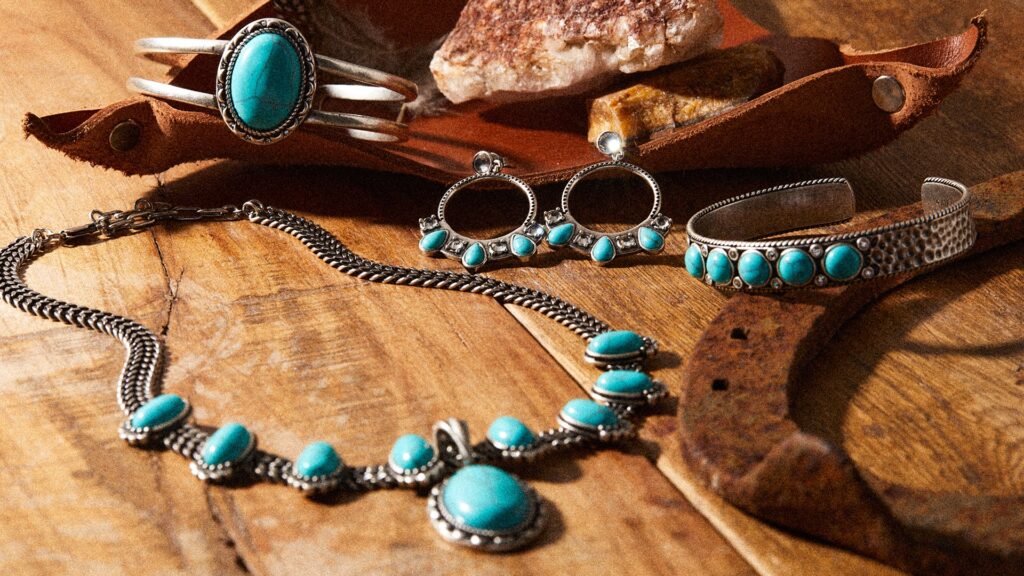
Turquoise jewelry has captivated cultures and civilizations for thousands of years. Its unique blue-green hues and natural veining make each piece distinct, carrying not just aesthetic appeal but also a deep cultural and historical significance. More than just an accessory, turquoise jewelry tells a story—of ancient traditions, spiritual beliefs, and timeless beauty.
The Origins and History of Turquoise
Turquoise has been cherished since antiquity. Ancient Egyptians mined turquoise in the Sinai Peninsula as early as 3000 BCE, using it in jewelry, ceremonial artifacts, and inlays for tombs and temples. The gemstone was believed to bring protection and power, a belief shared by many early civilizations.
In the Americas, Native American tribes such as the Navajo, Zuni, and Hopi have used turquoise for centuries. For them, turquoise jewelry symbolizes life, health, and good fortune. These communities developed intricate silver and turquoise craftsmanship that remains highly sought after today. Similarly, in Persia (modern-day Iran), turquoise was mined as early as 1000 BCE and was considered a symbol of heaven, worn by royalty to guard against evil and enhance spiritual well-being.
Unique Characteristics of Turquoise
One of the most striking features of turquoise jewelry is its color. The stone ranges from sky blue to greenish-blue, often with veins of brown, black, or gold called the matrix. These variations make every piece unique, with natural patterns that tell the story of the earth’s geological processes.
Turquoise is also relatively soft compared to other gemstones, which makes it easier to carve and shape. This quality allows artisans to create elaborate designs, from delicate necklaces to bold statement rings. Despite its softness, turquoise is durable enough to last generations when properly cared for, making it a lasting symbol of heritage and craftsmanship.
Cultural Significance Across the World
Turquoise jewelry holds diverse meanings across different cultures. In Native American traditions, turquoise is a bridge between earth and sky, representing health, protection, and connection to the spiritual world. Jewelry crafted with turquoise was often used in ceremonies or worn during important life events.
In Tibet and Nepal, turquoise is equally revered. Tibetan turquoise jewelry is often incorporated into ritual items and believed to possess healing properties. The color of the stone, close to the hue of the sky, signifies enlightenment, protection, and abundance.
Even in Western cultures, turquoise has been associated with luck and protection. Sailors once wore turquoise amulets to ensure safe voyages, while Victorian-era jewelry popularized turquoise for its vibrant color and exotic appeal. This enduring fascination with turquoise demonstrates the gemstone’s universal allure and symbolic depth.
Craftsmanship and Styles
Turquoise jewelry is highly versatile, lending itself to a range of styles from rustic to modern elegance. Traditional Native American turquoise jewelry often combines the stone with sterling silver, forming intricate patterns and symbolic motifs. The Zuni, for example, are known for their detailed inlay work, creating mosaic-like designs that showcase the stone’s natural beauty.
In contemporary fashion, turquoise jewelry is celebrated for its ability to complement both casual and formal attire. Designers pair turquoise with gold, white metals, and other gemstones to create striking contrast and modern sophistication. From simple pendants to elaborate statement cuffs, turquoise jewelry continues to inspire creativity in artisans around the world.
Spiritual and Healing Beliefs
Turquoise has long been associated with spiritual and healing properties. Many cultures believe it can protect against negative energies, promote mental clarity, and enhance communication. In holistic practices, turquoise is thought to support the immune system and foster emotional balance. Wearing turquoise jewelry is seen as a way to carry these benefits throughout daily life, making the gemstone not just beautiful but also meaningful.
The stone’s connection to the throat chakra in energy healing traditions emphasizes its association with self-expression and truth. People wear turquoise jewelry to inspire confidence, promote honest communication, and cultivate inner peace.
Caring for Turquoise Jewelry
Proper care is essential to preserve the beauty and longevity of turquoise jewelry. Because turquoise is porous, it can absorb oils, perfumes, and chemicals, which may alter its color or surface. It’s best to clean turquoise jewelry gently with a soft cloth and avoid harsh chemicals or ultrasonic cleaners.
Storage is also important. Keeping turquoise jewelry separate from harder gemstones and metals prevents scratching and damage. With careful handling, turquoise jewelry can maintain its vibrant color and unique character for generations, becoming cherished heirlooms.
Turquoise Jewelry in Modern Fashion
Today, turquoise jewelry continues to be a symbol of style and individuality. Its vibrant colors and organic patterns offer a refreshing alternative to conventional gemstones. Celebrities, designers, and fashion enthusiasts alike embrace turquoise jewelry for its natural elegance and versatility.
Moreover, turquoise jewelry can make a statement about personal values. Many pieces are handcrafted by indigenous artisans, supporting traditional craftsmanship and ethical sourcing. Choosing turquoise jewelry can reflect an appreciation for culture, history, and sustainable practices.
How to Choose the Right Piece
Selecting turquoise jewelry involves more than picking a favorite color. Consider the quality, origin, and craftsmanship of the stone. Genuine turquoise ranges in color and matrix patterns, and natural stones tend to have irregularities that enhance their authenticity. High-quality turquoise has a vivid, even hue with minimal treatment, while stabilized turquoise offers durability for everyday wear.
Pairing turquoise jewelry with your wardrobe can also enhance its impact. Turquoise complements neutral tones beautifully, as well as warm shades like coral, gold, and brown. Rings, bracelets, necklaces, and earrings can all carry the vibrant energy of turquoise, allowing wearers to express their personal style while connecting with a gemstone steeped in history.
Conclusion
Turquoise jewelry is far more than an accessory; it is a connection to history, culture, and natural beauty. From ancient civilizations to modern fashion, turquoise has symbolized protection, healing, and spiritual insight. Its unique colors and patterns make each piece a personal statement, while its enduring significance ensures it remains timeless.
Whether chosen for its aesthetic appeal, cultural meaning, or spiritual symbolism, turquoise jewelry carries a story that spans continents and centuries. Owning a piece of turquoise jewelry is like holding a fragment of the earth’s history, artfully transformed into a wearable treasure. This gem continues to inspire and captivate, proving that its charm is not only in its color but in the stories it tells and the traditions it honors.